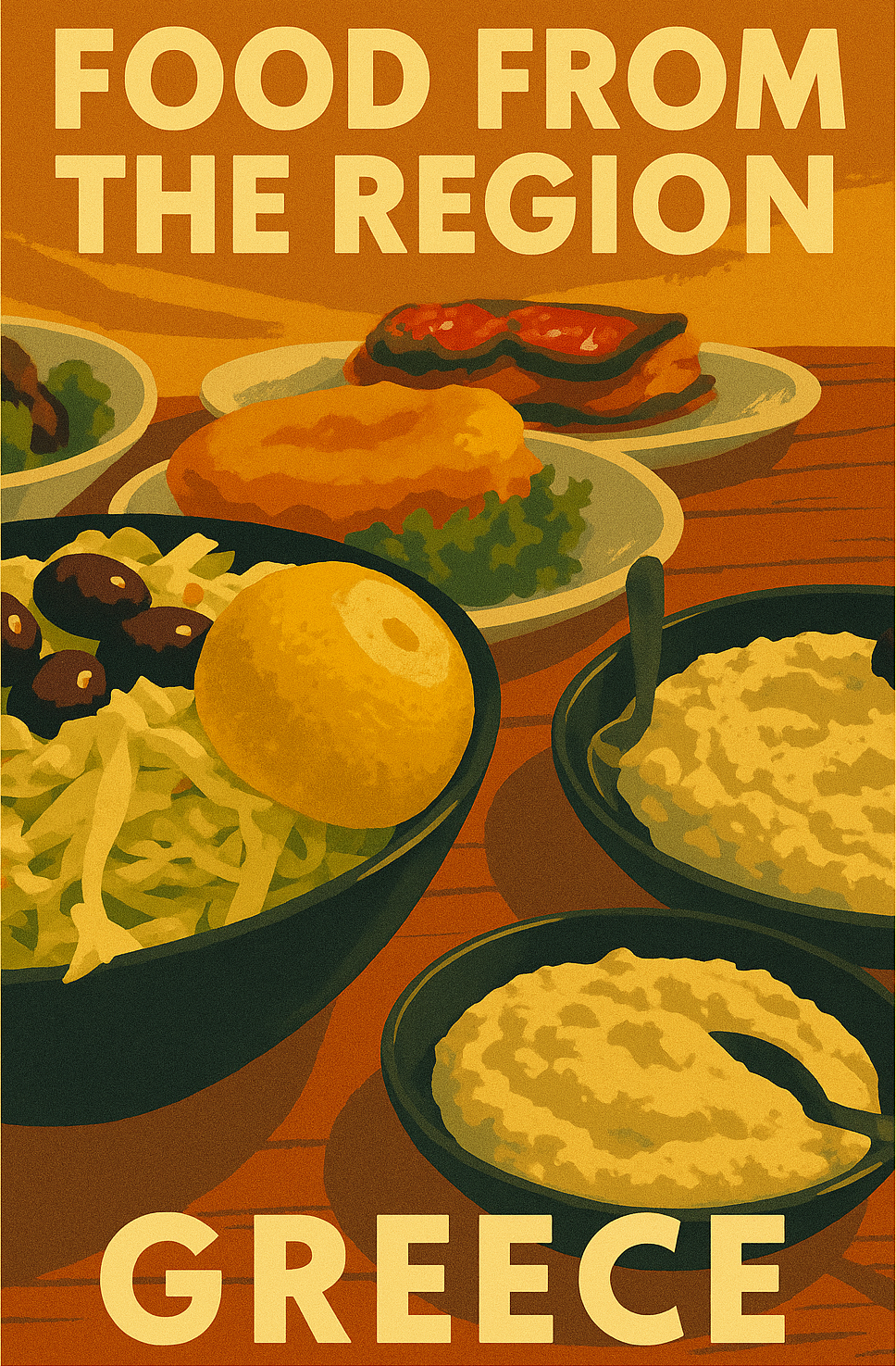
If you’ve ever wandered between a Greek taverna and an Italian trattoria, you may have noticed something strange: some of the dishes sound oddly familiar—but are nothing alike.
Here are three classic examples of Greek–Italian culinary “false friends”.
1. Pancetta (Italian) vs. Pansetta (Greek)

Pancetta (Italy): Salt-cured pork belly, usually rolled and sliced thin. Used in pasta dishes like carbonara or eaten raw, similar to prosciutto.

Pansetta (Greece): Grilled slices of pork belly, often marinated and served hot as a main dish or meze.
2. Pasticcio (Italian) vs. Pastitsio (Greek)

Pasticcio (Italy): A general term for a savory pie or baked pasta dish, often improvised or mixed. Can vary widely by region.

Pastitsio (Greece): A structured baked dish with layers of pasta, spiced minced meat (usually with cinnamon), and thick bechamel sauce.
3. Bresaola (Italian) vs. Brizola (Greek)

Bresaola (Italy): Air-dried, salted beef, aged and served in thin slices, usually cold with lemon and olive oil. Typically an appetizer/antipasti.

Brizola (Greece): A grilled pork chop, served hot—typically the meat of a main course.
Same names, different plates. Worth knowing before you order.
Leave a Reply