The Lake of Giannitsa—historically known as Loudias Lake—was once a vast, shallow marshland in Central Macedonia, fed by the Loudias River. For generations, the area was infamous for its dense wetlands, referred to locally as Borboros(meaning “slime” in Greek), and the swarms of mosquitoes that thrived there. Malaria outbreaks were common and devastating, making the surrounding region one of the most unhealthy places to live in northern Greece.

Between 1928 and 1932, a major transformation took place. The Greek government, working with the New York Foundation Company, undertook the massive project of draining the lake. The primary goal was to combat malaria by removing the mosquitoes’ breeding grounds. But the project had a second, equally important purpose: reclaiming fertile land for agriculture, especially in the aftermath of the 1923 Greco-Turkish population exchange, which had brought many new settlers to the area.

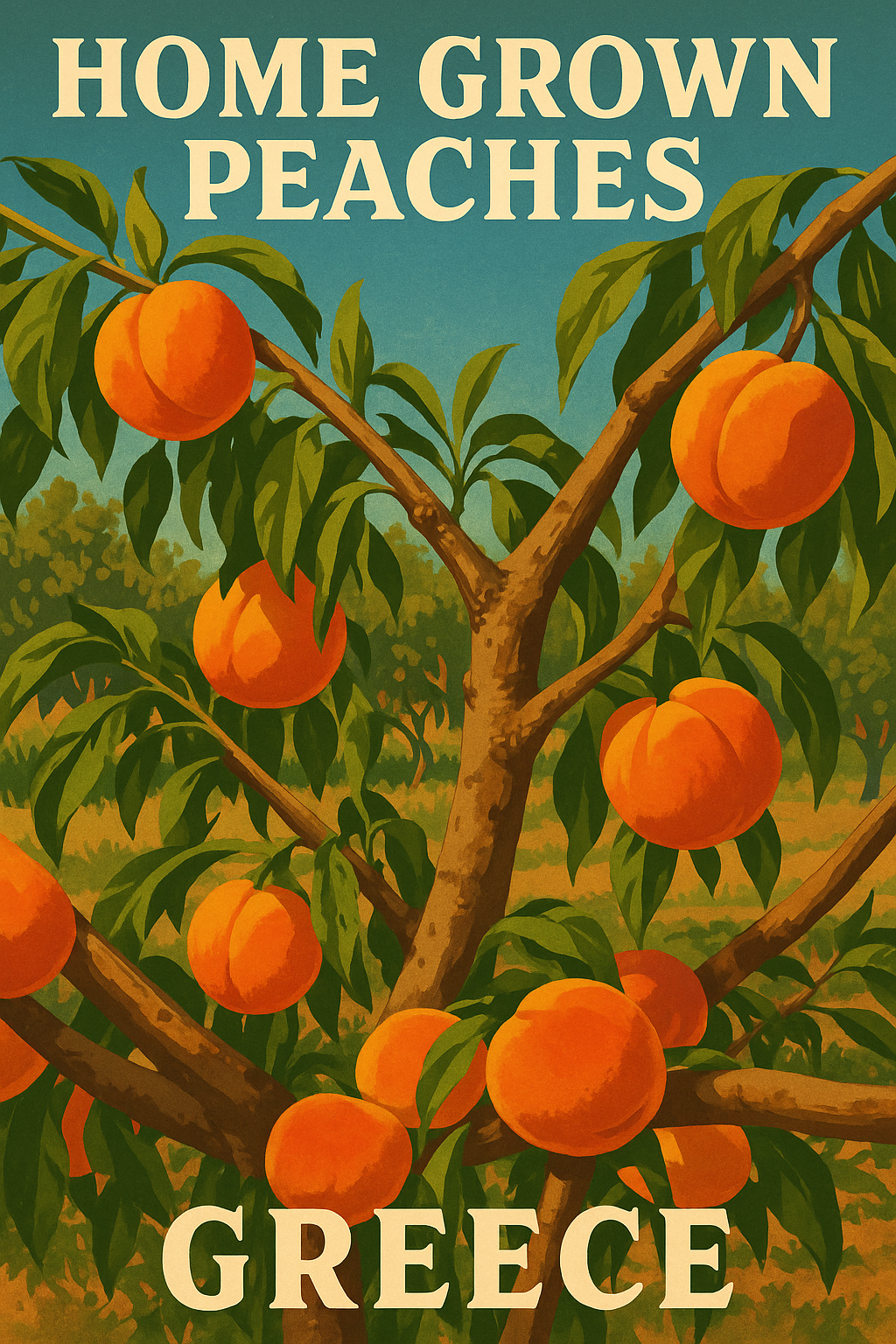
After the lake was drained, the land revealed itself to be exceptionally fertile, enriched over centuries by sediments from the Loudias River. The newly reclaimed plain was quickly put to agricultural use, supported by a growing network of irrigation channels. Today, the area supports a wide variety of crops, including grains, corn, vegetables, cotton, and stone fruits such as peaches. The transformation turned what was once a mosquito-ridden swamp into one of the most productive farming zones in northern Greece.

The Loudias River still winds through the region, offering a natural source of irrigation for the expansive fields. Thanks to its steady flow, the surrounding farmland stays well-watered and vibrant.

You can best experience it yourself by driving the rural road that connects Giannitsa and Alexandria, which cuts right through the characteristic lush flatland. Especially in spring and summer, the fields stretch endlessly on both sides, painting a vivid picture of just how successful the transformation of this landscape has been.
Leave a Reply